
Insulation Company in Grand Terrace, CA
Most Grand Terrace homes we inspect still run on the original attic insulation installed when the tract was built in the 1950s through 1970s. Blown in insulation is the fastest, least disruptive fix for those tired fiberglass batts that have settled, compressed, and stopped doing their job. The hillside lots along Blue Mountain and the canyon-edge streets add wind and radiant heat that exposed attics just don’t get on the flat floor of Colton or San Bernardino. If your cooling bills climb every August, call Maple Insulation Co at (855) 341-6045 and we’ll tell you what’s actually happening up there.
Why Grand Terrace Homes Are Different
Grand Terrace sits boxed in by Blue Mountain and the I-215 corridor, and that geography shapes every insulation job we do here. Most of the housing stock is mid-century single-family tract construction. Original batts from that era run R-11 or R-19 at best, and after 50 or 60 summers in an inland Southern California attic they don’t perform anywhere near spec. We routinely pull out insulation that’s crumbled to dust or compressed to a fraction of its original thickness.
The local climate punishes attics. Long, intense summers push attic temperatures extreme enough that stored boxes warp and adhesives fail. Without a proper thermal barrier, that heat radiates down through the ceiling and forces the air conditioner to run constantly. Homes along the Blue Mountain ridgeline and canyon-edge streets deal with a second problem: driven wind and direct western sun that strip and compact exposed insulation faster than anything we see on sheltered interior streets. We check the ridge-line and west-facing roof runs first on every hillside job.
Those steep lots also mean many attics are shallow and tight, which changes how we approach the work. Blown in insulation handles low-clearance attics far better than rolled batts, because the hose reaches where a person can’t comfortably crawl. Some older additions and sunroom builds create uneven insulation envelopes too – a living room that stays comfortable while the sunroom bakes. Matching material to the actual cavity depth and venting situation matters more here than in newer, uniform construction.
Our Main Grand Terrace Services
Two services account for most of the calls we take from Grand Terrace homeowners: attic insulation and spray foam. Both address the same core problem, but they solve it differently depending on your roof structure, your cooling bills, and how you use the rooms under the attic.
Attic Insulation in Grand Terrace
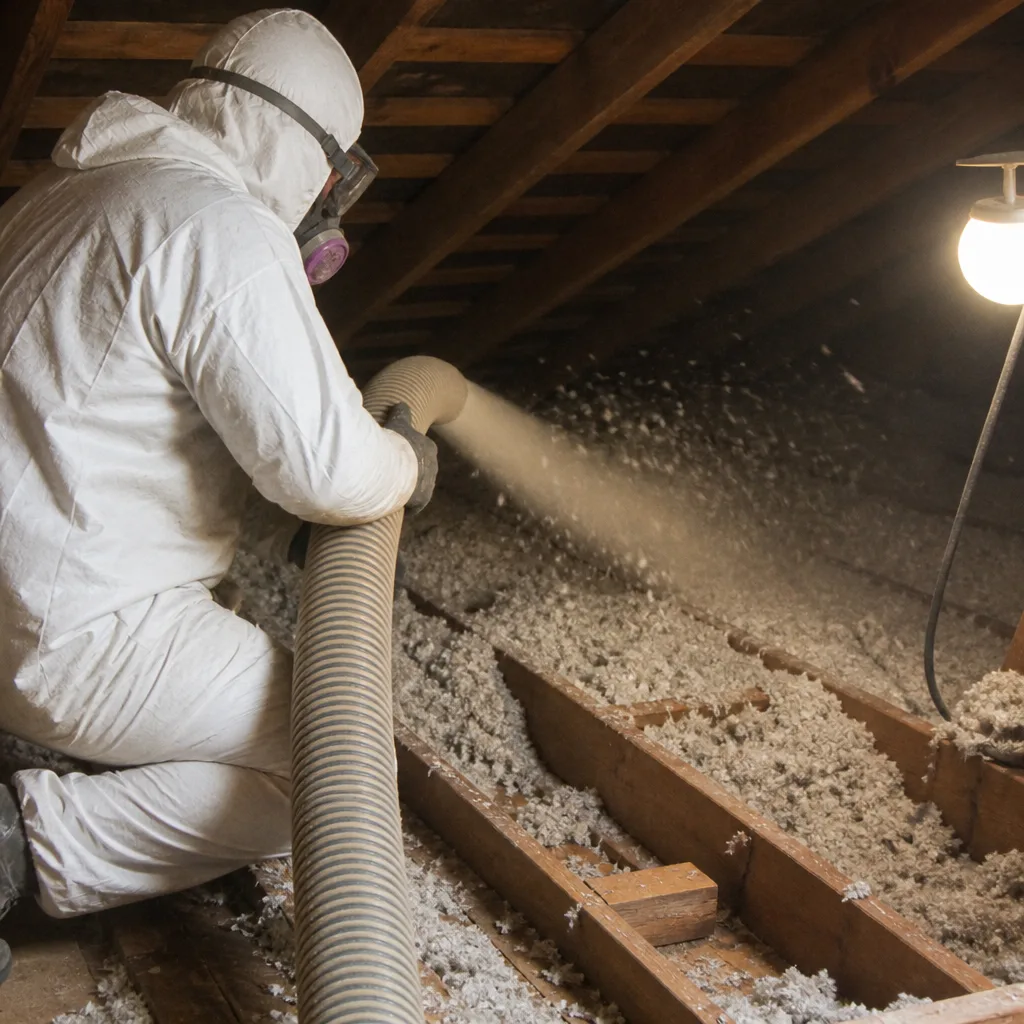
Most Grand Terrace attics still hold the original fiberglass batts from decades ago, and that’s what we replace most often. Blown in insulation works especially well in the low-clearance attic spaces common on these hillside lots, where rolling batts is impractical. We also address sunroom additions and older room conversions that never got proper thermal treatment in the first place. For the full breakdown of how attic work goes in Grand Terrace, see Attic Insulation in Grand Terrace.
Spray Foam Insulation in Grand Terrace
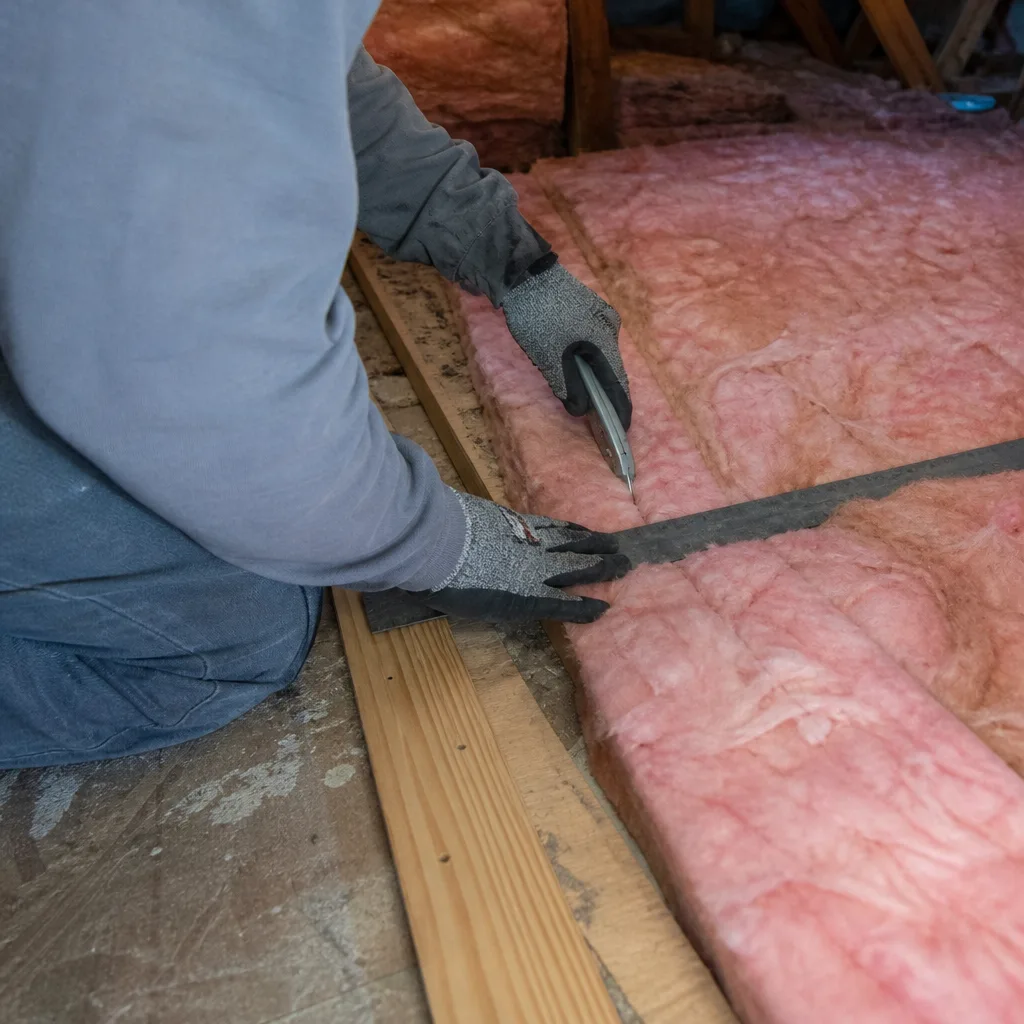
Spray foam earns its cost when a Grand Terrace homeowner wants to seal the attic as well as insulate it. Open-cell foam conforms to the odd framing you find in older additions, while closed-cell adds structural strength and moisture resistance – useful on canyon-edge lots where wind-driven dust and occasional rain find their way into vented attics. The Spray Foam Insulation in Grand Terrace page covers the material options and the situations where foam beats blown-in.
What happens when you call
- 1
A real person answersNo phone trees — you reach a local pro.
- 2
You get an upfront price rangeHonest numbers before anyone is dispatched.
- 3
A background-checked tech heads outLicensed & insured, dispatched right away.
- 4
You approve before work beginsNothing starts until you say go.
Blown In Insulation in Grand Terrace
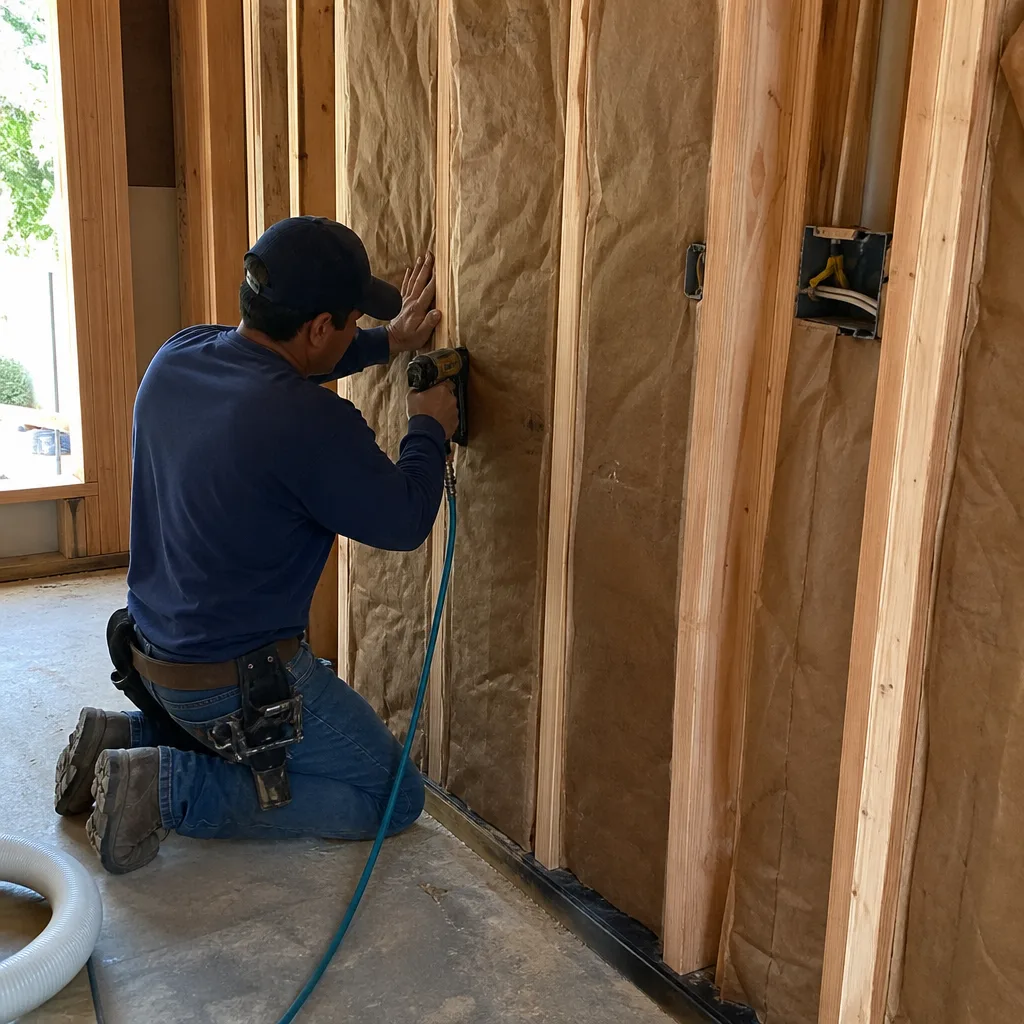
Blown in insulation works especially well in Grand Terrace because so many homes have shallow attics that make rolling new batts difficult or impossible. Loose fill flows around the framing, plumbing, and electrical runs you find in mid-century attics, creating a continuous thermal blanket that batts simply can’t match in tight spaces. Under the inland Southern California sun, getting that coverage right is what separates an attic that cooks from one that stays manageable.
We blow in cellulose or fiberglass depending on the home and the goal. The material choice matters here: cellulose offers better coverage per dollar in our hot, dry climate, while fiberglass holds its loft longer in attics with tricky venting. We carry both, plus GreenFiber recycled cellulose for homeowners who want a sustainable, high-recycled-content option without giving up thermal performance. For a deeper look at how blown in insulation compares to other methods, see our Blown In Insulation page.
Cellulose Insulation
Signs you need it
Your attic batts are matted, dusty, or missing entirely, and your cooling bills climb higher every summer.
What it costs in Grand Terrace
Blown in cellulose typically runs $0.90 to $1.50 per square foot in Grand Terrace for attic coverage at recommended depth.
How we do it
We seal gaps around penetrations, mark depth with attic rulers, then machine-blow cellulose to the R-value target, working around ducts and framing.
Blown In Attic Insulation
Signs you need it
Rooms heat unevenly, the upstairs runs warmer than the rest of the house, and your attic feels oven-hot during summer afternoons.
What it costs in Grand Terrace
Blown in attic insulation in Grand Terrace generally falls between $1,200 and $2,800 for a typical 1,200 to 1,500 square foot attic.
How we do it
We remove or level the old material, air-seal the attic floor, then blow loose fill to the target R-value, including the hard-to-reach eaves and corners.
What Blown In Insulation Costs in Grand Terrace
| Item | Typical range in Grand Terrace |
|---|---|
| Blown in cellulose, per sq ft | $0.90 – $1.50 |
| Blown in fiberglass, per sq ft | $0.55 – $1.05 |
| Typical attic, 1,200 – 1,500 sq ft | $1,200 – $2,800 |
Does blown in insulation actually lower cooling bills in Grand Terrace?
Yes. In Grand Terrace’s hot inland climate, a properly insulated attic stops most of the radiant heat that drives cooling costs, and homeowners typically see noticeable bill reductions the first summer after installation.
Is blown in insulation better than batts for older Grand Terrace attics?
Almost always yes here. The low-clearance, oddly framed attics common in Grand Terrace’s mid-century homes get better, more even coverage from blown in material than from batts, especially around framing and duct runs.
Brands We Service in Grand Terrace
Maple Insulation Co installs blown in fiberglass from CertainTeed, spray foam from Icynene and Demilec, and cellulosue from GreenFiber. Parts and materials are stocked for the common Grand Terrace attic sizes, so most jobs in 92313 don’t wait on a special order. See our brands for the full product matrix.
Pricing for Insulation Company in Grand Terrace, CA
| Service | Typical range in Grand Terrace |
|---|---|
| Blown in cellulose, per sq ft | $0.90 – $1.50 |
| Blown in fiberglass, per sq ft | $0.55 – $1.05 |
| Typical blown in attic, 1,200 – 1,500 sq ft | $1,200 – $2,800 |
Hillside attics with steep or tight access push labor time up, and removing old compressed batts before blowing new material adds a line item. We quote exact pricing upfront after we look at the attic, before any work starts.
Neighborhoods We Serve in Grand Terrace
We work across the whole 92313 ZIP. The homes along the Blue Mountain ridge and canyon-edge streets get checked first on the west-facing slopes where wind and sun hit hardest, but every Grand Terrace neighborhood gets the same upfront pricing and the same material-matched recommendation.
- Blue Mountain ridge and canyon-edge streets
- Areas off Barton Road
- Neighborhoods along De Berry Street and Grand Terrace Road
- Tract homes near the I-215 corridor
- Hillside and cul-de-sac lots throughout 92313
Most Grand Terrace jobs are scheduled within a week, and we keep some same-week slots for attics that are actively driving high cooling bills.
Service Area – Cities Near Grand Terrace
Maple Insulation Co works across the inland corridor from Grand Terrace into Highgrove, CA, Rubidoux, CA, and Bloomington, CA. We also cover the larger jobs in Riverside, CA when homeowners there want the same brand range and material-matched approach.
Serving Grand Terrace, CA — Our Local Coverage Area
We’re based in the Grand Terrace area and know this community well. Use the map below to see our service coverage — if you’re nearby, we can almost certainly help.
FAQs About Insulation Company in Grand Terrace
Most estimates in Grand Terrace happen within three to five days of your call. Attic inspections take about an hour, and we open up the access hatch to actually see the existing insulation, venting, and air leaks before recommending anything.
For straightforward blown in or batt insulation replacement, Grand Terrace homeowners generally don’t need a permit. The work falls under routine maintenance. If air sealing or ventilation changes touch the building envelope beyond insulation, we’ll flag what the city may ask for.
Yes. Many Grand Terrace attics still hold original 1950s or 1960s batts that have compressed and settled. We remove and bag the old material, check the attic floor for gaps and air leaks, then blow in the new material at the depth your attic actually needs.
What happens when you call
- 1A real person answersNo phone trees — talk to a local insulation pro.
- 2You get an upfront price rangeHonest numbers before anyone is dispatched. No surprises.
- 3A background-checked tech heads outLicensed & insured, typically within the hour.
- 4You approve before work beginsNothing starts until you say go.
What Grand Terrace Customers Say
"Found and sealed a gap around the chimney chase that was basically an open chimney to the attic."
— Kevin Chen"Installed baffles at the soffits so the new insulation didn't block the ventilation, which the previous contractor apparently never considered."
— Eric Fletcher"Spray foam in the rim joists in the basement. The cold floors above them are gone."
— Kelly Meyer